Rewilding
Rewilding is an illustrated myth for our time — a story about how we lost our sense of belonging in the living world and how we might find our way home again. Told through original paintings, drawings, and prose, it follows the arc from an animate cosmos to a mechanistic worldview: from a time when humans and nature were woven together, through severance and descent, toward renewal. In the imaginal underworld, the protagonist learns to listen again to the voices of trees and animals and to re-weave herself into the web of life.
The work serves as both research and ritual — a visual initiation into ecological consciousness and an invitation to remember that imagination is not escape, but participation. Rewilding offers a mirror for our times — a way of seeing the psychic and ecological wounds of colonization, patriarchy, and capitalism as both outer and inner conditions of soul-loss. It is a reminder that the world itself longs to be in conversation, and that art is one way we might begin to listen again.
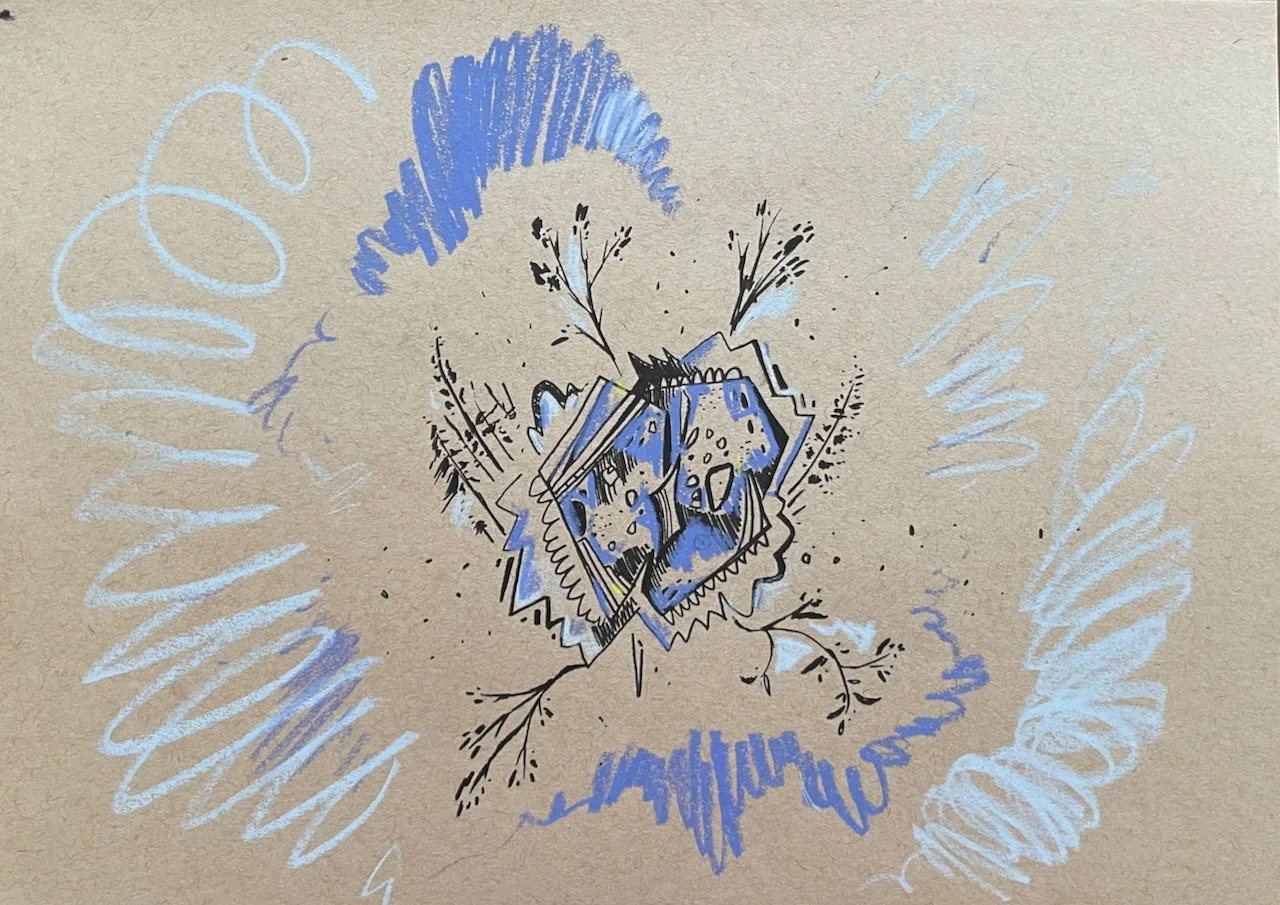
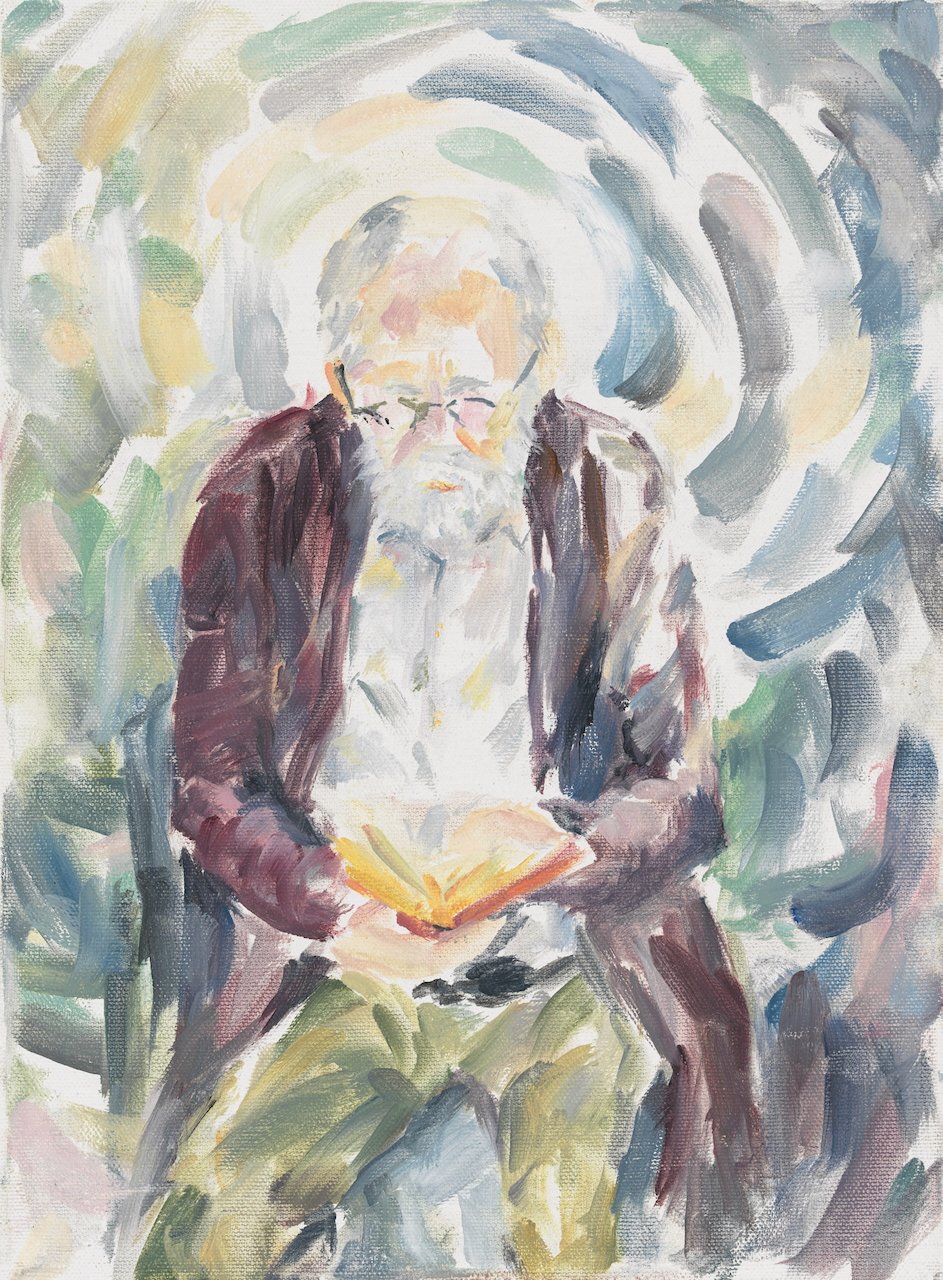
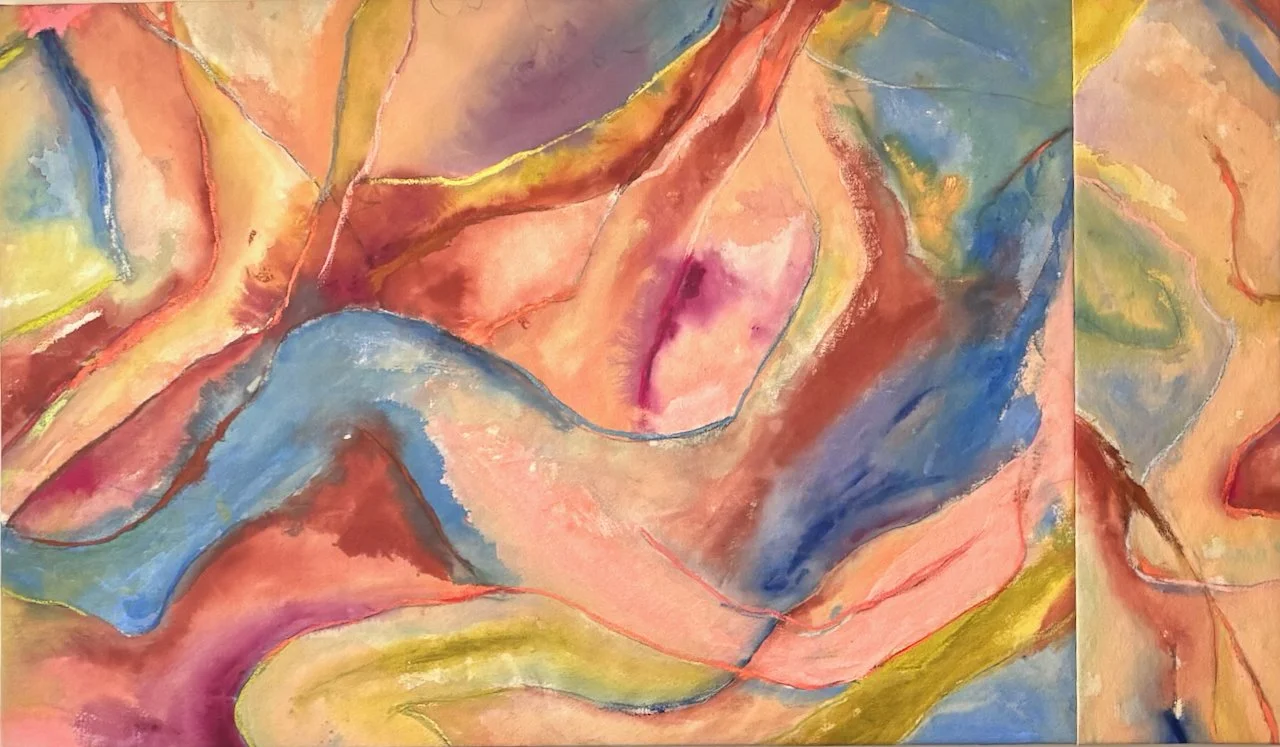
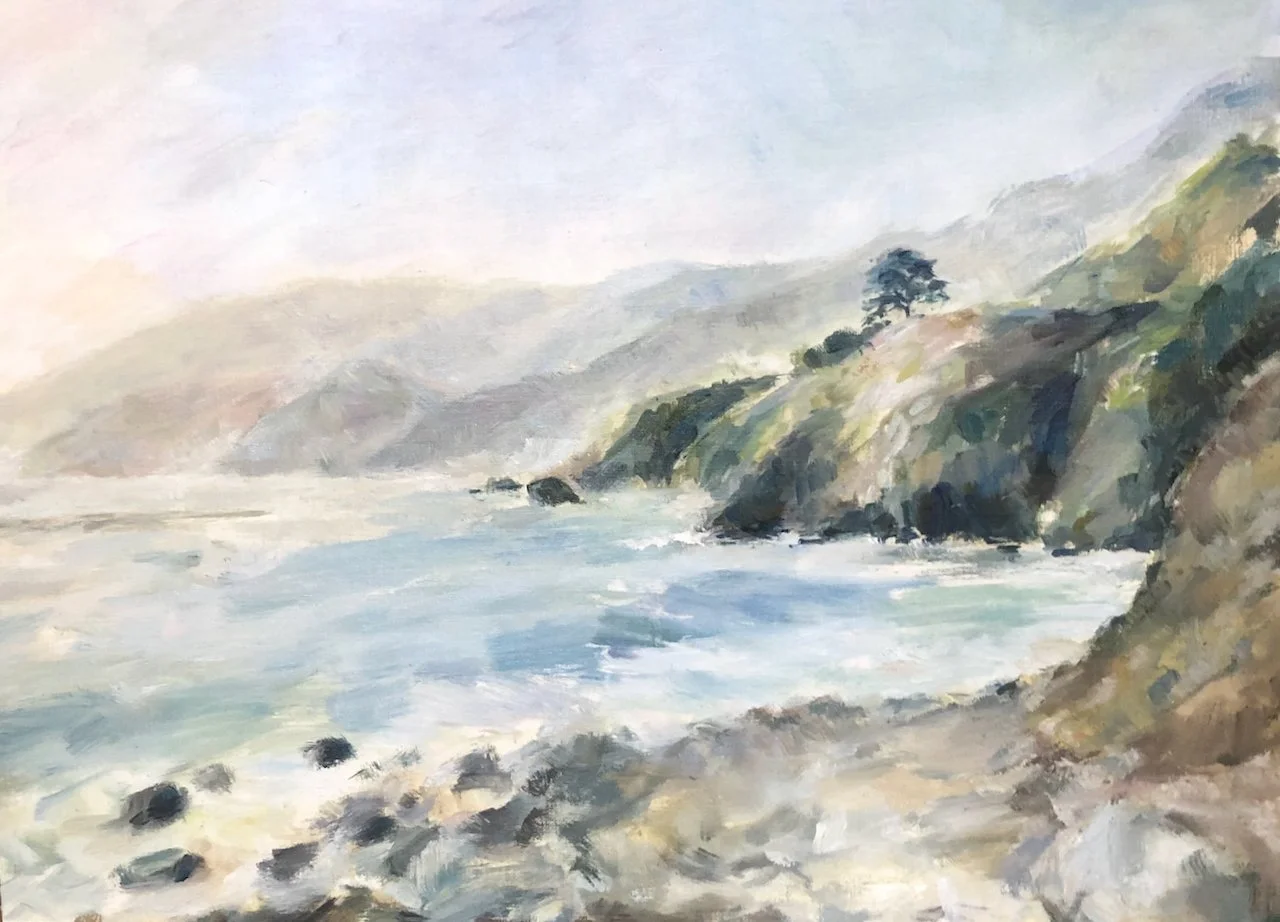
This is a work-in-progress that I am developing as an accompaniment to my thesis for my M.A. in Counseling Psychology program at Pacifica Graduate Institute (expected 2026). The graphic novel will be completed in January 2026. The text below is an early draft of the skeleton of the story; images are original artwork standing in as placeholders.
In the beginning, there were the Trees.
Before the first story was spoken, their bodies were the scripture.
They rose in shimmering columns, crowns drinking starlight, roots threading the dark earth like veins of quiet lightning.
Each trunk was a living axis—heaven above, underworld below— binding sky, soil, and every beating heart in a single breath.
The people were not separate.
They woke with the dawn-mist in their hair and slept with the sap’s slow pulse in their veins.
They learned the turning of their own blood from the turning of the seasons.
The Trees whispered the secrets of balance:
how to love without possession,
to give without depletion,
to die and leaf again.
The forest was the first temple, the first library, the first home.
To walk among them was to remember the great truth:
that the soul is not housed in the body alone,
but braided through soil and mycelium, through rivers and wind,
through every being that drinks sunlight.
In those days the world was alive with reciprocity.
The people offered songs and the Trees answered with rain.
Roots held them steady, crowns held them blessed.
They were kin, not resources;
companions in a single, breathing cosmos.
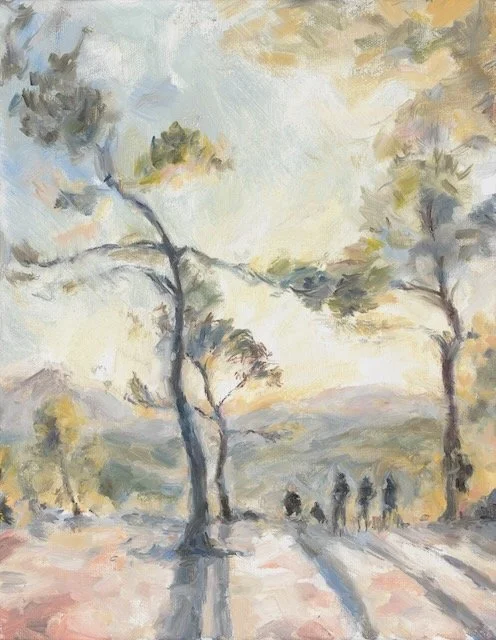
In the Beginning
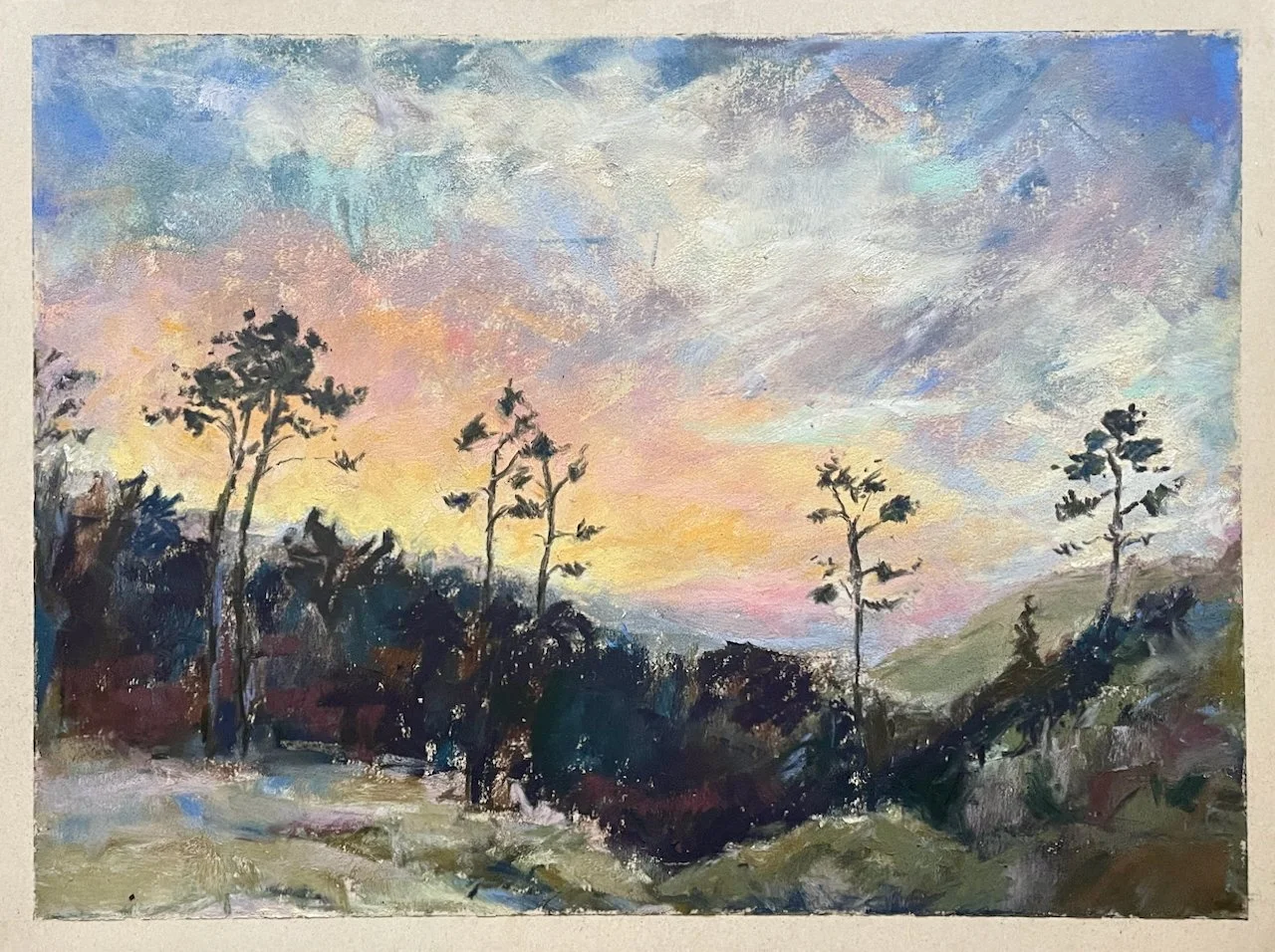
But then, The Great Severance came.
Forgetting crept in like a slow frost.
The sound of axes rang.
People were forced to leave their land, the ecosystems of their blood and beyond relatives.
Goodbye to the rock people and the tree people and the caves that housed great works of art in praise of the rays, of the days, each morning one shimmering gleam.
Forests were paved over in the name of progress.
They named the world “resource,”
and each other “stranger.”
Nature went from community to commodity.
Children were born who never knew the language of leaves.
Verdant dreams faded to gray grids of streets and screens.
People left the village life and moved into their own boxes,
Walled off from each other and from their earthly kin.
They grew lonely and isolated.
Over the years, people forgot.
They felt strange and sad, but they did not know why.
They were unmoored. Unsettled.
No roots to hold them,
cut from the pulse beneath their feet.
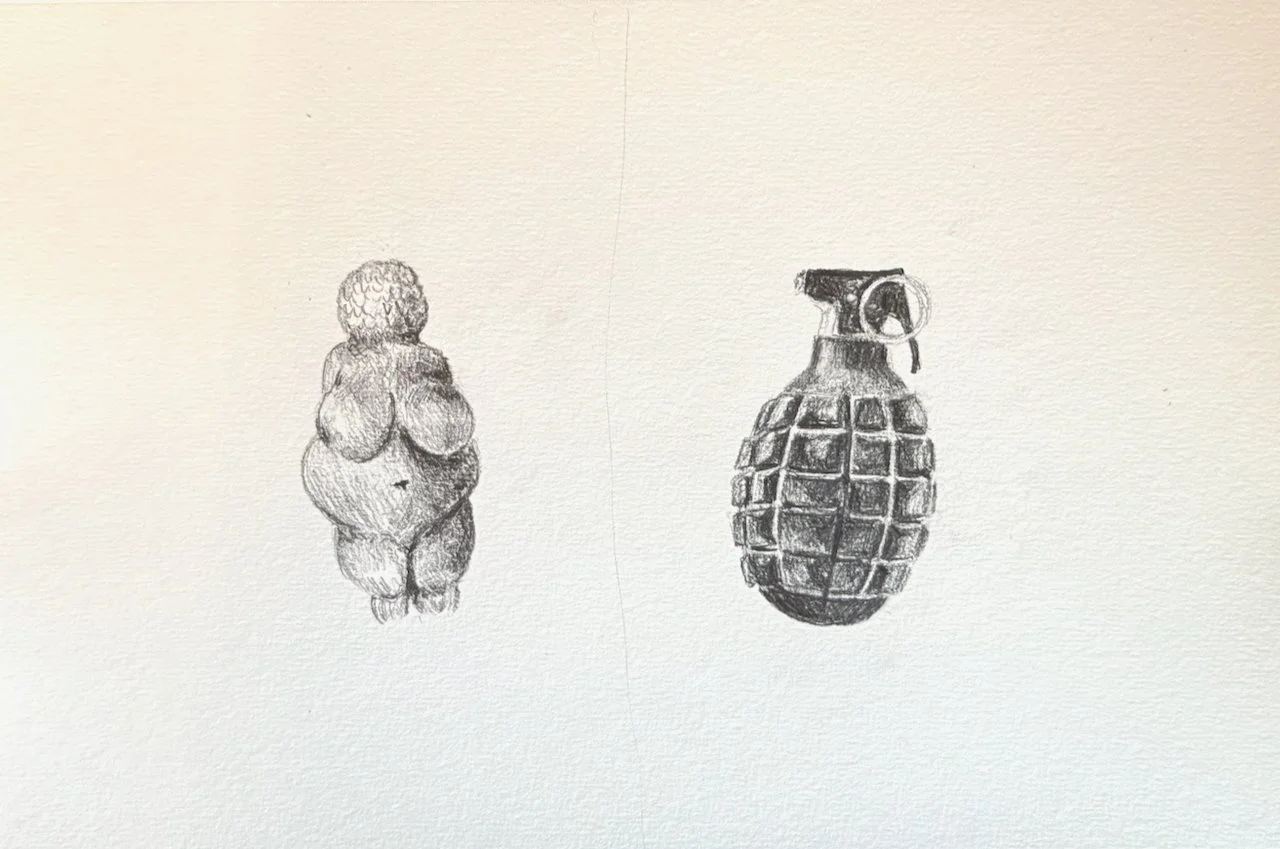
The Great Severance
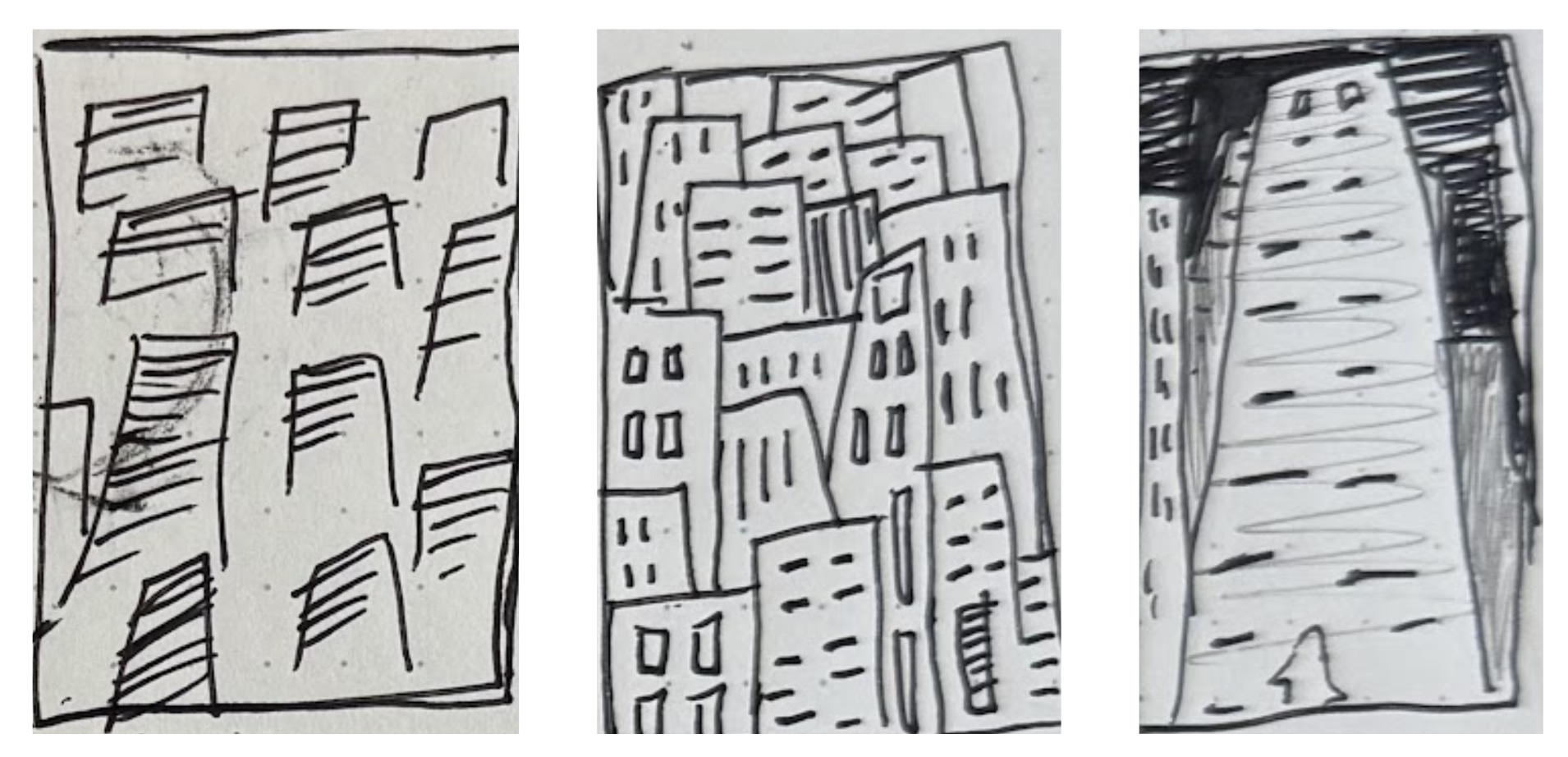
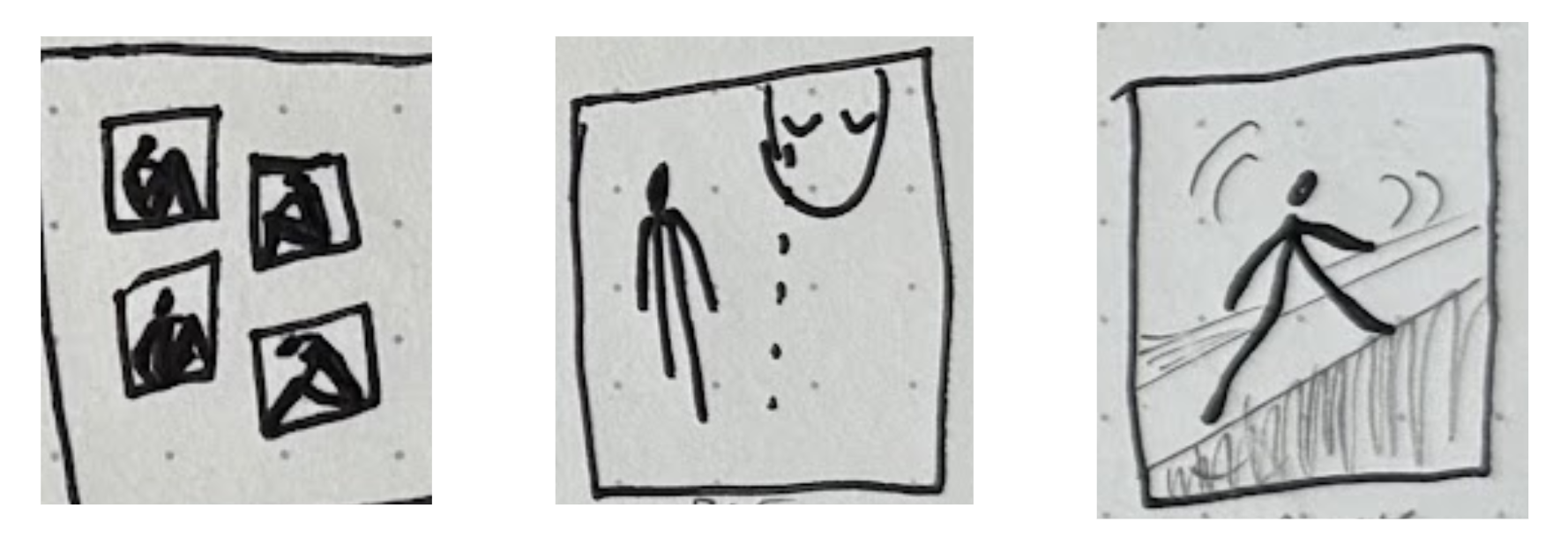

Yet the forest waits for the smallest crack of listening.
There was a girl.
She felt an ancient grief in her bones,
the memory of a presence and a loss she could not shake.
This section is still under development. This is initiation — the descent into the imaginal underworld where the protagonist learns to hear the voices of trees and animals and re-weaves herself back into the web of life.
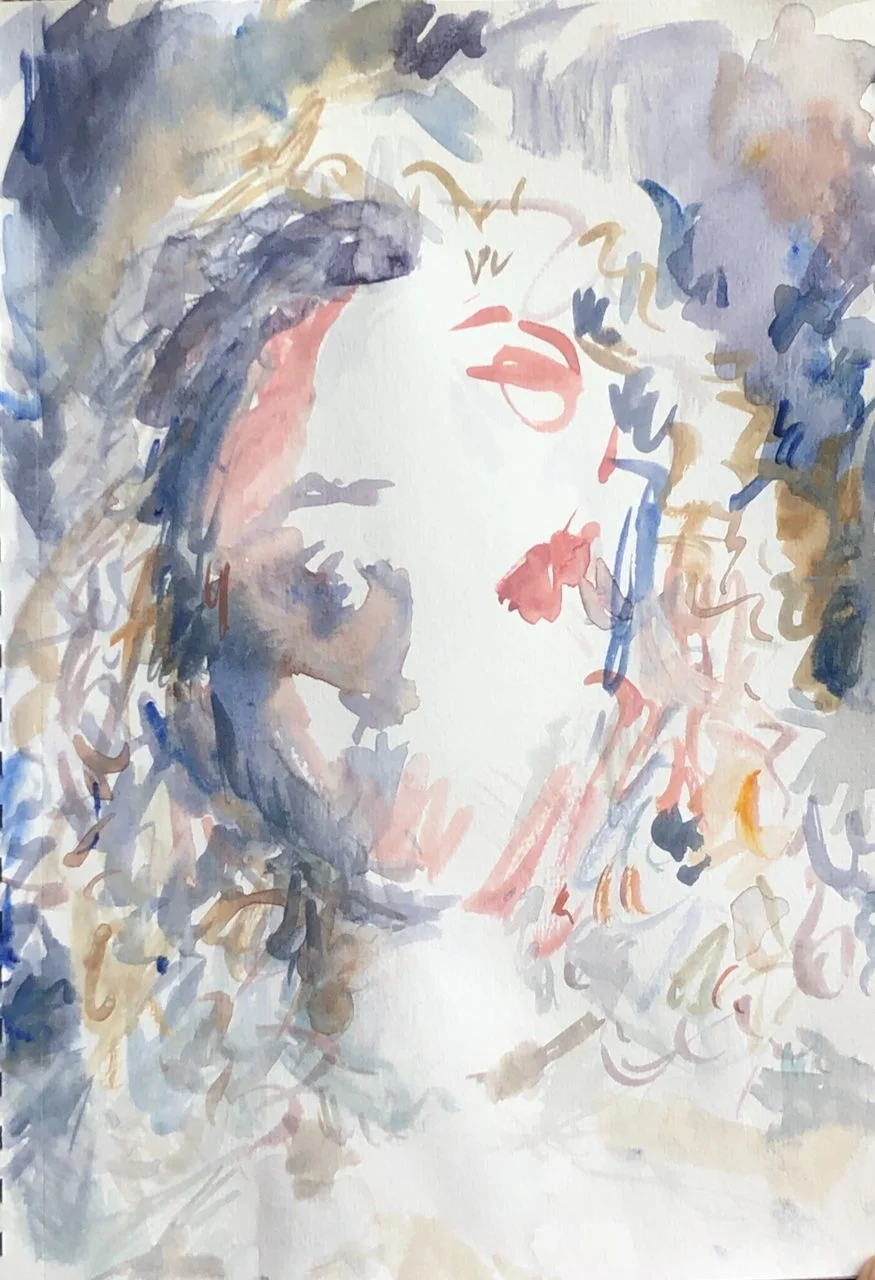
The Girl who could Hear the Trees
The final section of the graphic novel shifts from story to praxis. After journeying through severance, descent, and reweaving, this closing act brings the retrieved wisdom back to the human world in the form of imaginal, experiential invitations. These practices are designed to help readers cultivate their own relationship with an ensouled world — one rooted in attention, reciprocity, and the subtle ways the Earth and psyche speak to one another. The sequence follows a spiral path, circling through layers of sensing, relating, grieving, creating, and integrating.
Below is a preview of the gates along this path. Each gate includes three practices that I’ve designed or thoughtfully curated, drawing on Buddhist traditions, Indigenous teachings, mystical Judaism, and the contemporary ecological wisdom of Joanna Macy, Bill Plotkin, and others.
Arrival — Sensory Awakening
We begin by softening the senses. Slow looking, heart-led noticing, and gentle embodiment practices invite the nervous system to settle and make space for encounter.
Dialogue with the More-Than-Human — Imaginal Communication
Exercises that rekindle intuitive forms of relationship: listening to trees, engaging with stones as teachers, and practicing symbolic conversation with the wider living world.
Relationship with a Place
Intimacy with a single patch of earth transforms the abstract “environment” into a living relationship. Repeated visits reveal seasonal intelligence, teach patience and humility, and root the psyche in cycles older and wiser than our own.
Threshold & Transformation — Symbolic Death and Renewal
Rituals for crossing from one state of being into another—letting go, shedding, composting old stories, and allowing new ones to form in the dark.
Grief, Gratitude & Reciprocity
Love for the world carries both joy and sorrow. Through gratitude we strengthen belonging; through grief we honor what has been lost; through reciprocity we restore balance. Ecological awareness often breaks the heart open; these practices give that heartbreak somewhere sacred to go.
Creative & Mythic Play — Making Meaning Through Art
Drawing, writing, movement, and spontaneous mythmaking become ways of metabolizing experience—transforming raw impressions into symbolic insight.
Community & Witness — Shared Reflection and Mirroring
Practices for speaking and being heard, witnessing others, and participating in the collective weaving of meaning. Connection becomes both ground and guide.
Urban & Everyday Practice — Integration Into Daily Life
Methods for bringing ecological imagination into ordinary moments—city sidewalks, commutes, conversations, small rituals at home. The ensouled world becomes a companion, not a destination.